
Watches and Jewelry: Edges, Lugs, and Dial Texture
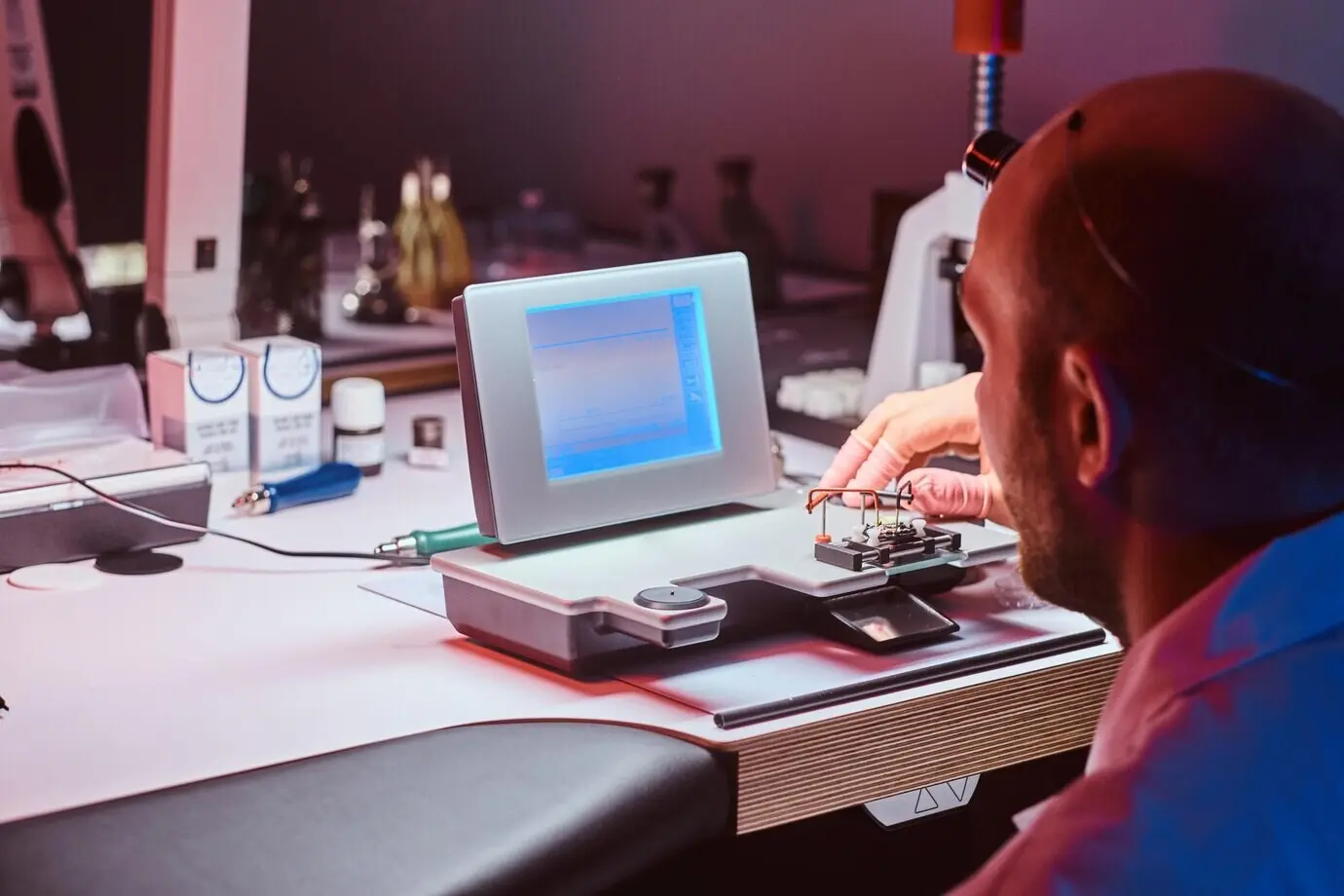
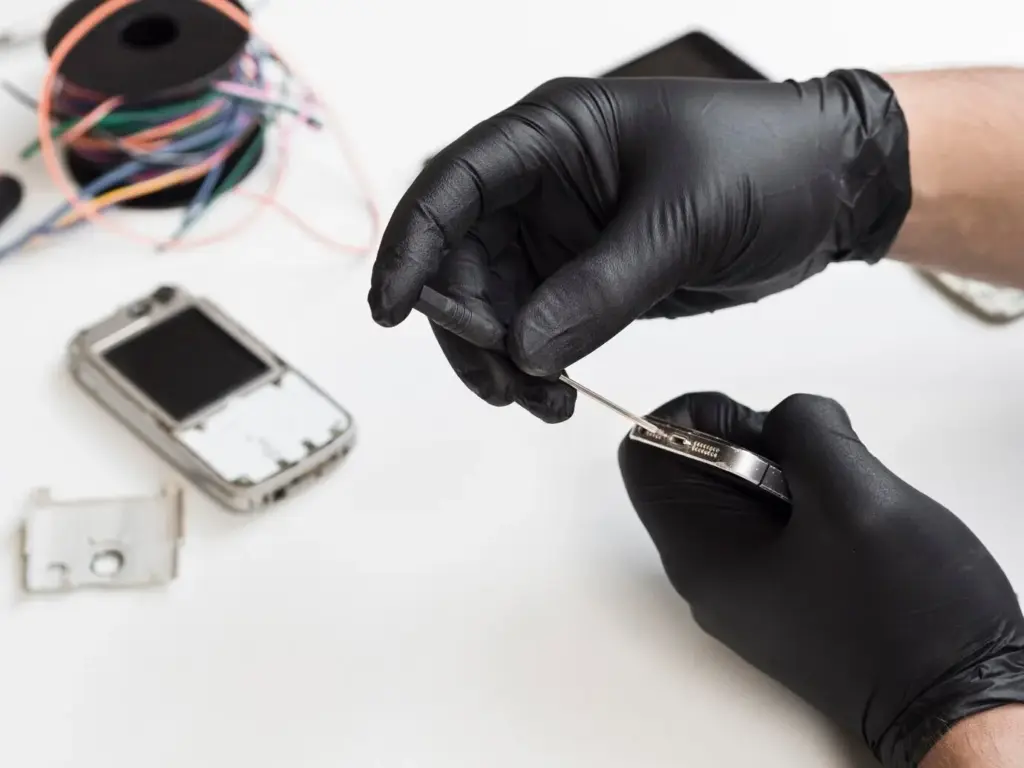
Crisp case edges and honest lug wear suggest originality, while over-polishing rounds everything into anonymity. Light dial spotting may evoke warmth, but moisture damage or mismatched lume often depress value. Evaluate crown and bracelet stretch realistically, and document timing performance. Avoid cleaning methods that push moisture under crystals. When listing, explain why you left hairlines intact, how measurements match catalog specs, and what your timegrapher data reveals. Precision plus restraint inspires stronger offers.

Furniture and Instruments: Wear Paths That Prove Use
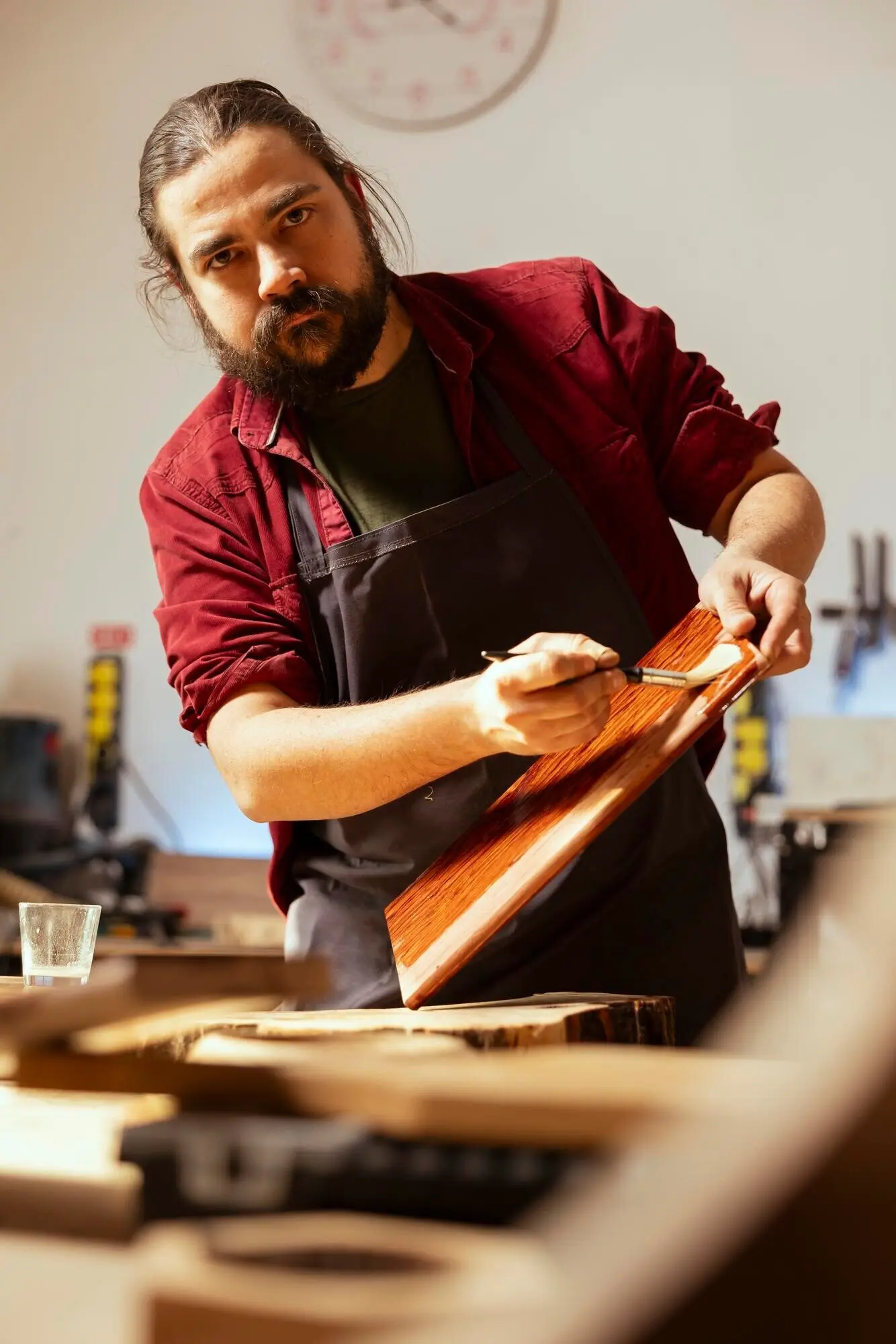
Chairs with hand-polished arms, tables showing gentle edge softening, and guitars with forearm wear can be highly desirable when joints are tight and structure is sound. Conversely, woodworm, lifted veneer, or twisted necks are costly problems. Provide underside photos, confirm stability, and note prior repairs with dates. Soundboards, dovetails, and mortise integrity matter more than cosmetic grazes. Buyers reward pieces that play, support weight, and resonate—while telling a life story through graceful contact points.

Textiles and Footwear: Fades, Honeycombs, and Whiskers
Denim fades narrate movement: honeycombs behind knees, whiskers at the lap, stacks at the ankle. Natural creasing carries unpredictability that enthusiasts prize. Footwear patina can be beautiful when leather breathes evenly; delamination or cracked midsoles, not so much. Encourage sunlight-accurate photos, outsole tread shots, and measurements. Note repairs and conditioning history honestly. The right community will pay more for character that tracks life’s rhythms, provided the structure remains wearable and hygienic.