

Tracing the Truth in Mid‑Century Design

Today we focus on authenticating Mid‑Century originals through maker’s marks, labels, and catalog evidence, turning scattered clues into a coherent story. You’ll learn how tiny details reveal honest age, licensed production, and provenance, while myths and wishful thinking fall away under careful observation, documented comparisons, and respectful skepticism built on practical, repeatable methods.

Decoding Maker’s Marks

Stamped, Cast, and Etched

Stamped steel rails, cast-aluminum bases, and acid‑etched glass each age differently, offering cross‑checks that strengthen attribution. Crisp stamp edges soften predictably with long use; cast marks keep rounded fillets; etched marks reveal micro pitting. Compare surfaces near contact points: oxidation rings under screws, scuff halos, and consistent grime gradients help verify genuine working life instead of contrived distress.

Fonts, Alignment, and Spacing

Stamped steel rails, cast-aluminum bases, and acid‑etched glass each age differently, offering cross‑checks that strengthen attribution. Crisp stamp edges soften predictably with long use; cast marks keep rounded fillets; etched marks reveal micro pitting. Compare surfaces near contact points: oxidation rings under screws, scuff halos, and consistent grime gradients help verify genuine working life instead of contrived distress.

Placement Patterns

Stamped steel rails, cast-aluminum bases, and acid‑etched glass each age differently, offering cross‑checks that strengthen attribution. Crisp stamp edges soften predictably with long use; cast marks keep rounded fillets; etched marks reveal micro pitting. Compare surfaces near contact points: oxidation rings under screws, scuff halos, and consistent grime gradients help verify genuine working life instead of contrived distress.

Interpreting Labels and Tags
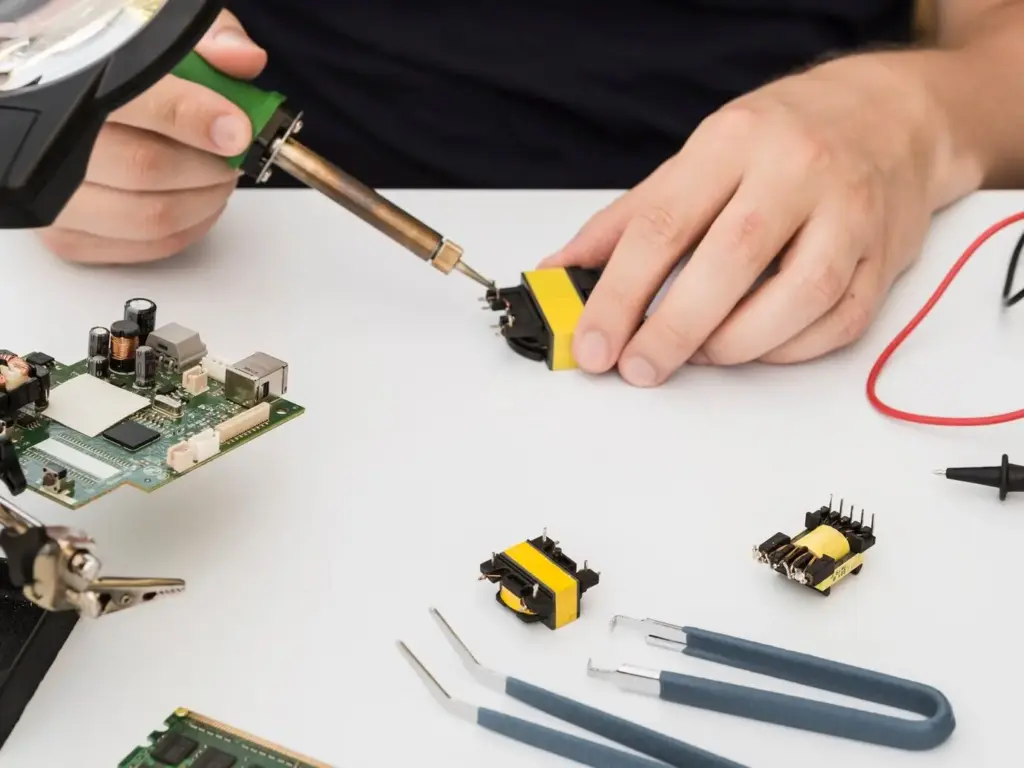
Labels are small biographies. Foil, paper, and woven tags speak about factories, distributors, safety standards, and import routes. Adhesives age, inks fade, and stitching patterns telegraph authenticity. We’ll compare typical mid‑century construction with later safety tags, replacement store stickers, and newly applied facsimiles that photograph well yet fail under magnified inspection and material analysis.

Reading Catalogs and Price Lists

Printed catalogs, tear sheets, and dealer price lists decode product families, finishes, and dimensional standards. They reveal introduction and discontinuation windows, option codes, and photography that fixes proportions. By cross‑referencing model numbers and period finishes with measured objects, you anchor identifications and avoid imaginative attributions that collapse when compared against contemporaneous manufacturer documentation.

Distinguishing Originals from Reissues
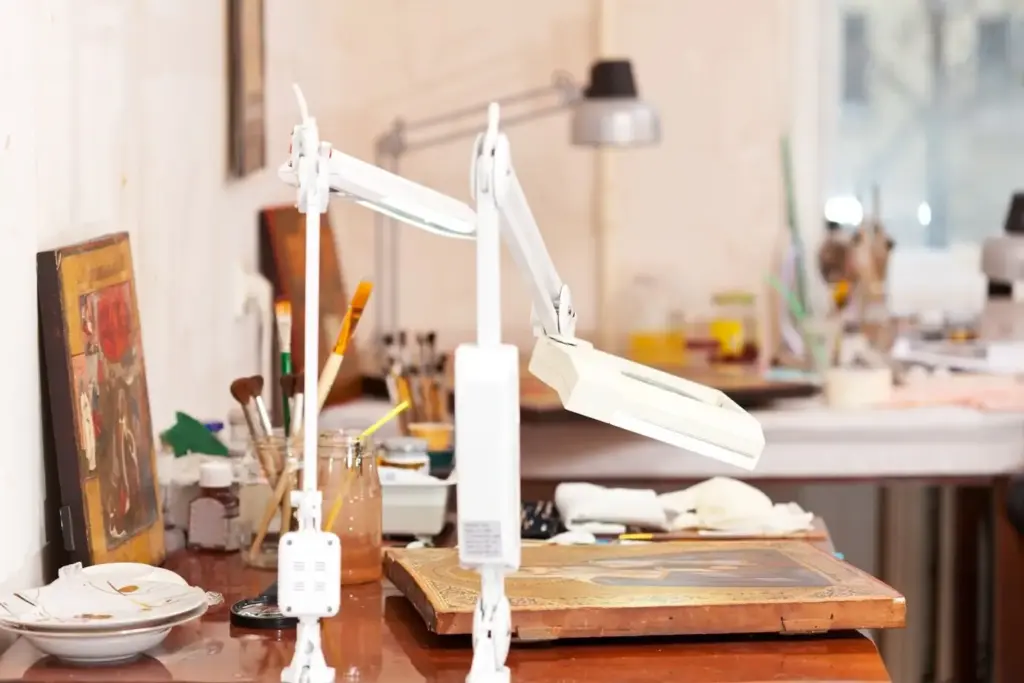
Licensed reissues by contemporary rights holders can be excellent, yet they follow today’s regulations, materials, and branding conventions. Recognizing respectful updates—while honoring design intent—prevents mislabeling. We compare hardware, foam chemistry, label language, packaging, and care literature so you can celebrate legitimate reissues and still correctly value surviving mid‑century production.

Fiberglass, Veneer, and Solid Wood

Original fiberglass mutes to a matte glow with strand telegraphing, while resin pools at edges amber subtly. Veneer reveals tiny edge losses at high-contact corners; solid teak darkens beneath fittings. Look for consistent storylines: UV gradients follow window exposure, not random patches; water rings align with decades of plant pots rather than theatrical spills.

Metal Finishes and Plastics

Chromed steel pits near coastal regions and at fingerprints; anodized aluminum wears softly on corners; Bakelite and early ABS exhibit specific gloss decay and micro-crazing. Uniform, mirror‑bright metal on a supposedly hard‑lived piece deserves scrutiny. Compare wear on hidden faces—inside brackets and under glides—where authentic age is difficult to counterfeit convincingly.

Documenting Your Findings

Thorough documentation transforms intuition into evidence. Photograph marks in raking light, record dimensions precisely, and capture context shots showing placement. Keep a research log linking each observation to sources. Share your files with fellow collectors and conservators, building a reference library that strengthens the entire community’s ability to recognize the real thing confidently.

Photography That Tells the Story

Use macro lenses, diffused light, and angle sweeps to reveal surface textures, stamp edges, and label fibers. Include scale references and color charts. Show the whole object, then zoom into details, keeping image names consistent with notes so future comparisons are quick, objective, and useful to peers reviewing your conclusions respectfully.

Notes, Measurements, and References

Record measurements with clear units, note any tolerances, and tie observations to catalog pages, archival ads, and scholarly articles. A simple spreadsheet tracking model codes, finish options, and dates becomes a powerful tool. When you later revisit a piece, your structured notes prevent memory drift and support transparent, defensible attributions.
Travel-puglia
Privacy Overview

This website uses cookies so that we can provide you with the best user experience possible. Cookie information is stored in your browser and performs functions such as recognising you when you return to our website and helping our team to understand which sections of the website you find most interesting and useful.