
Look Closer: The Craft Inside Vintage Furniture
Today we explore construction details that reveal quality—joinery, veneers, and hardware in vintage furniture. By learning how tails and pins meet, how thin slices of grain are laid and edged, and how metal fasteners age, you’ll recognize honest craftsmanship, avoid costly mistakes, and feel confident trusting your hands, eyes, and curiosity while hunting, restoring, or simply appreciating.

Joinery You Can Trust at a Glance

Corner construction records decisions a maker made under time, tool, and timber constraints. Hand-cut dovetails show scribe lines, tiny inconsistencies, and compression shadows; drawbored mortise-and-tenon joints reveal pegs that actually pull fibers tight. Learn to read gaps, oxidation, tool chatter, and wear to separate genuine craft from decorative pretenders.

Veneers That Elevate, Not Disguise

Veneer was historically a celebration of scarce figure and stability, not a shortcut. Thickness, layout, and edge treatment reveal intent. Bookmatched flames across doors, crossbanding that resists warp, and honest substrate choices show respect for wood’s movement and prove beauty and engineering can share the same surface.

Hardware That Tells Time and Intent

Metal fittings record handling, climate, and maintenance with ruthless honesty. Brass softens and blooms, iron grays and pits, and nickel warms with fingerprints. Slot orientation, thread style, and oxidation halos around plates reveal whether parts were born together, borrowed later, or cleverly staged to mimic age.

Screws, Slots, and Threads Speak Volumes
Old screws show off‑center slots, tapered shafts, and brittle, narrow threads cut rather than rolled. Mixed head styles inside one hinge often betray swaps. Study driver scars and untouched finish rings; their story can redirect negotiations and save you from paying antique prices for modern fasteners.

Pulls, Backplates, and Honest Wear

Sand‑cast brass leaves soft lines and tiny inclusions, unlike crisp die‑cast edges. Backplates imprint ovals of wear into finish; fresh shadows around bright screws broadcast replacements. Feel the interior of drawers: long‑term rattle grooves and oxidized bolt tunnels tell you what hands have asked of a piece.

Finishes and Glues: Silent Witnesses to Craft
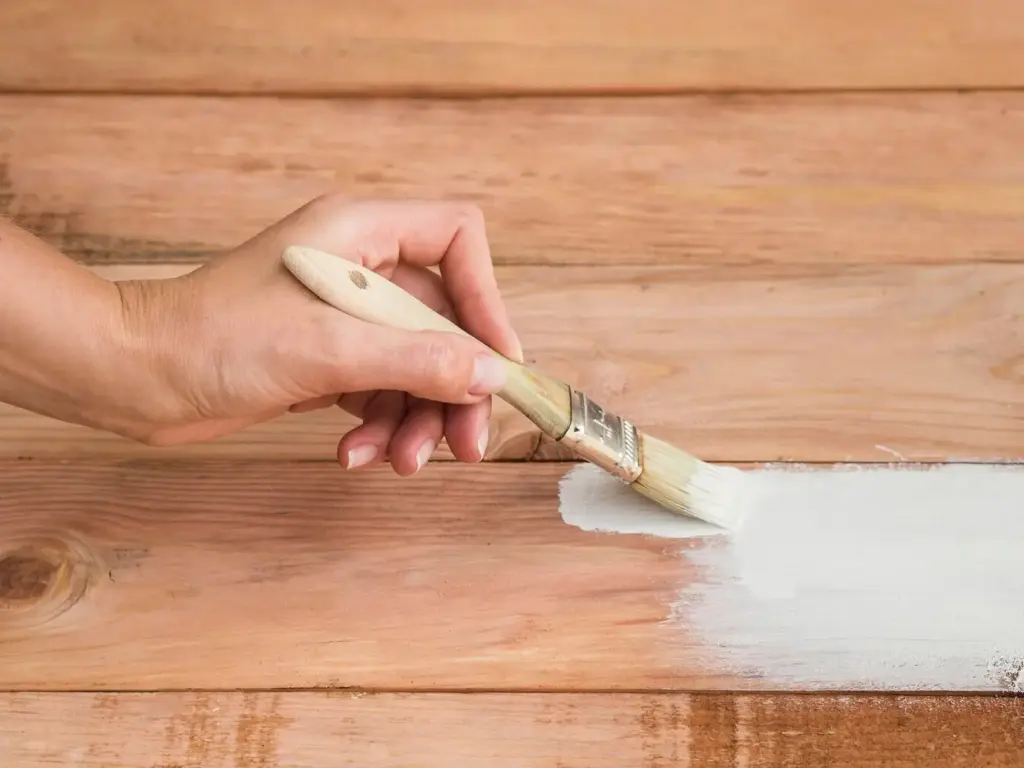
Finish chemistry and adhesive choice anchor everything you see. Shellac warms and crazes, lacquer fractures differently, and oil sinks into pores unevenly. Hide glue embrittles yet remains reversible, partnering with repairability. Observe sheen continuity, dust lines, and odors to time interventions without stripping away evidence that belongs.

A Field Routine for Confident Judgments

In markets, attics, and small auctions, speed tempts mistakes. A calm sequence protects you: structure first, then veneers, then hardware, then finishes. Kneel, breathe, and let light do work. Carry simple tools, take notes, and invite a second opinion before your heart outruns your handle on reality.

Pocket Toolkit and How to Use It

A magnet distinguishes brass‑plated steel from true brass; a loupe separates machine chatter from hand tool signatures. Add a small UV flashlight, a dental mirror, and painter’s tape to label questions. These weightless helpers sharpen judgment, reduce returns, and make negotiations calmer, kinder, and more precise.

Ten Minutes, Three Angles, One Decision

Give yourself ten quiet minutes. View each piece front, back, and underneath, then repeat with raking light. Touch corners, pull drawers, and listen. If two signs conflict, pause rather than rationalize. Quality withstands scrutiny; fakery wilts when approached from edges, inside surfaces, and the humble, often ignored underside.

Charming Flaws Versus Costly Problems

Wear on runners, a missing escutcheon, or an honest veneer feather are endearing and repairable. Active woodworm, crushed substrates under new veneer, or replaced hardware drilled askew forecast bills and heartbreak. Train your eye to celebrate patina while stepping away from structural compromise disguised as romance.

Value, Stories, and Stewardship
The Auction Sideboard That Changed My Eye

I nearly walked past a painted wreck. Faint scribe lines inside a drawer and wedged tenons behind a false back insisted otherwise. After gentle stripping and re‑gluing with hot hide glue, veneers glowed again, hardware sang, and the bill proved far smaller than its appreciative resale.

Durability You Can Feel Every Morning

Drawers that ride polished runners, pulls that settle coolly into your palm, and doors that close with a dry hush create daily trust. That feel springs from thoughtful construction choices made long ago, and it compounds value more reliably than any catalog name or marketing flourish.

Repair Ethics and Reversible Choices

Choose methods that future hands can undo. Save original screws, document hardware positions, and avoid sanding through history to chase brightness. Re‑glue sympathetically, color in losses rather than recolor entire faces, and leave clues for the next steward so integrity outlasts trends, shops, and owners.
Travel-puglia
Privacy Overview

This website uses cookies so that we can provide you with the best user experience possible. Cookie information is stored in your browser and performs functions such as recognising you when you return to our website and helping our team to understand which sections of the website you find most interesting and useful.